
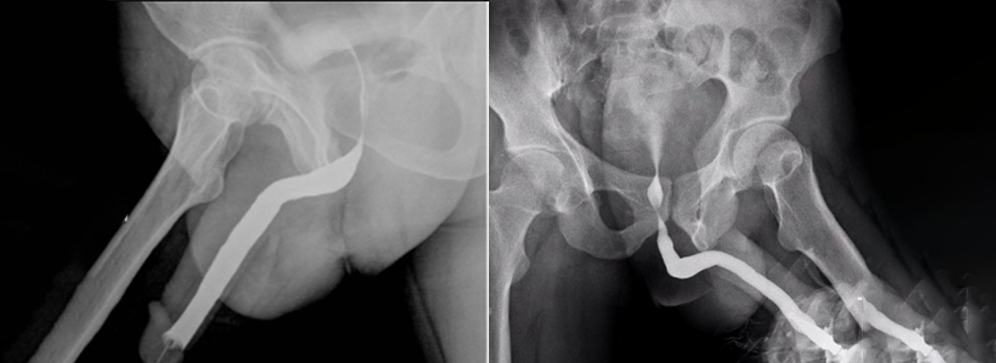
Retrograde Urethrogram (RGU)/ Ascending Urethrogram (AUG)
At Insight Diagnostics and Labs, we recognize that the journey to proper urological health begins with precise and reliable diagnostic imaging. When it comes to evaluating the urethra — a crucial part of the urinary system — specialized imaging tests like the Retrograde Urethrogram (RGU) /Ascending Urethrogram (AUG) become indispensable tools for physicians. These procedures provide detailed insights into the structure and function of the urethra, helping identify conditions such as strictures, injuries, or blockages that might otherwise be difficult to diagnose accurately.
Our diagnostic centre in Pallavaram is proud to offer these essential services with the highest level of technology and care. Equipped with Advanced digital radiography systems and staffed by experienced radiologists and technologists, we ensure each patient receives not only accurate imaging but also a compassionate and supportive experience. From your first consultation to the delivery of detailed reports, Insight Diagnostics and Labs is committed to guiding you through every step of this important diagnostic process.
What is a Retrograde Urethrogram (RGU)?
A Retrograde Urethrogram (RGU) is a specialized X-ray procedure used to examine the urethra by injecting a contrast medium into the external opening of the urethra, allowing the dye to flow backward through the tube. This backward, or “retrograde,” flow highlights the urethra on X-ray images, enabling the radiologist to observe the exact size, shape, and any abnormalities such as narrowing (strictures), tears, or fistulas. It is particularly helpful in cases where patients report difficulty urinating, experience recurrent urinary tract infections, or have a history of trauma or surgery involving the urinary tract.
At Insight Diagnostics and Labs, we perform RGUs using modern digital radiography equipment that provides real-time, high-definition images. This allows our radiologists to assess the urethral anatomy with precision and make a timely diagnosis. The procedure is minimally invasive and performed under strict sterile conditions to prevent infection. Our trained team ensures your comfort and provides clear instructions before, during, and after the procedure, reducing any anxiety you might have about the test.
- Accurate detection of urethral strictures and blockages
- Identification of urethral injuries following trauma
- Assessment of fistulas or abnormal connections
- Minimally invasive with fast procedure times
- Essential for planning surgical or therapeutic interventions
When Are RGU / AUG Recommended?
Your doctor might recommend Retrograde and Ascending Urethrograms if you experience symptoms such as a weak or slow urinary stream, frequent urinary tract infections, pain during urination, or have a history of trauma or surgeries affecting your urinary tract. These imaging tests help uncover the underlying causes by offering a detailed view of the urethral anatomy and function, which is essential for appropriate treatment decisions.
At Insight Diagnostics and Labs, we collaborate closely with urologists and referring physicians to ensure the timing and nature of these tests are optimally aligned with your clinical needs. Early detection of urethral abnormalities through RGU/ AUG can significantly improve treatment outcomes and help prevent complications such as recurrent infections or worsening urinary obstruction. Our scheduling team works efficiently to provide you with timely appointments, reducing wait times and enabling faster diagnosis.
- Diagnosing urethral strictures and narrowing
- Evaluating urethral injuries from pelvic trauma or catheterization
- Investigating recurrent urinary tract infections
- Pre- and post-operative assessment for urethral surgery
- Identifying congenital urethral anomalies or malformations
How is the Procedure Performed?
The Retrograde Urethrogram is performed by gently inserting a small catheter or syringe into the external opening of the urethra. A water-soluble contrast dye is slowly injected, flowing backward through the urethra while a series of X-ray images are captured. Although you may feel some pressure or mild discomfort during the injection, the procedure is usually quick and well tolerated.
For the Ascending Urethrogram, contrast medium is introduced in a way that allows it to flow naturally as you urinate, enabling dynamic imaging of the urethra under normal function. This part of the procedure often requires cooperation in following instructions for timing urination during imaging. Our highly trained staff explain each step clearly and monitor your comfort closely, ensuring the procedure is as smooth and stress-free as possible.
- Sterile preparation and positioning for imaging
- Careful insertion of catheter or syringe into the urethra
- Slow injection of contrast dye with real-time X-ray imaging
- Observation of urine flow during AUG when applicable
- Quick completion with immediate review of images
Safety and Comfort Measures
Safety and patient comfort are at the forefront of our care philosophy at Insight Diagnostics and Labs. Both RGU / AUG involve exposure to a small amount of radiation; however, our use of advanced digital radiography equipment ensures that this exposure is kept to the absolute minimum necessary to obtain clear images. We adhere strictly to the ALARA (As Low As Reasonably Achievable) principle, balancing safety with diagnostic effectiveness.
Additionally, we use sterile techniques and provide thorough pre-procedure screening, including allergy checks for contrast dyes. Our staff are sensitive to patient needs and strive to create a calm, respectful atmosphere that minimizes anxiety. Patients are encouraged to communicate any discomfort during the procedure so we can address it promptly. For patients with special needs or concerns, we tailor the experience accordingly.
- Use of low-dose digital imaging technology
- Pre-procedure screening for allergies and contraindications
- Sterile technique to prevent infection
- Use of local anesthetics or analgesics if required
- Attentive staff ensuring patient comfort and privacy
Understanding Your Urethrogram Results
After the imaging is complete, our experienced radiologists carefully analyze the images to detect abnormalities such as strictures, tears, leaks, or other urethral conditions. A detailed report is then prepared and promptly shared with your referring physician. This report not only highlights findings but also provides context to help your doctor determine the best course of treatment.
At Insight Diagnostics and Labs, we believe that clear communication is key to good healthcare. If you have any questions about your results or their implications, our team is available to explain the findings in simple, understandable language. This collaborative approach ensures that you and your healthcare provider are well equipped to make informed decisions about your treatment and follow-up care.
- Detailed identification of urethral pathologies
- Clear and comprehensive reports for your doctor
- Facilitates informed treatment planning
- Enables monitoring of post-treatment progress
- Provides guidance for further diagnostic testing if necessary
Your Trusted Partner for Urethral Imaging in Pallavaram
When it comes to delicate and critical imaging tests like the Retrograde and Ascending Urethrograms, choosing a trusted and experienced diagnostic centre can make all the difference. At Insight Diagnostics and Labs, we combine cutting-edge technology, skilled radiologists, and a compassionate patient-first approach to deliver imaging services that you can rely on.
Our centre in Pallavaram is committed to providing accurate, timely, and comfortable diagnostic experiences that support your overall urological health. Whether you are seeking answers to troubling symptoms, undergoing pre-operative assessments, or require follow-up imaging after treatment, trust Insight Diagnostics and Labs to provide expert care every step of the way. Your health and comfort are our highest priorities, and we are here to help you achieve the best possible outcomes.

